How to budget successfully
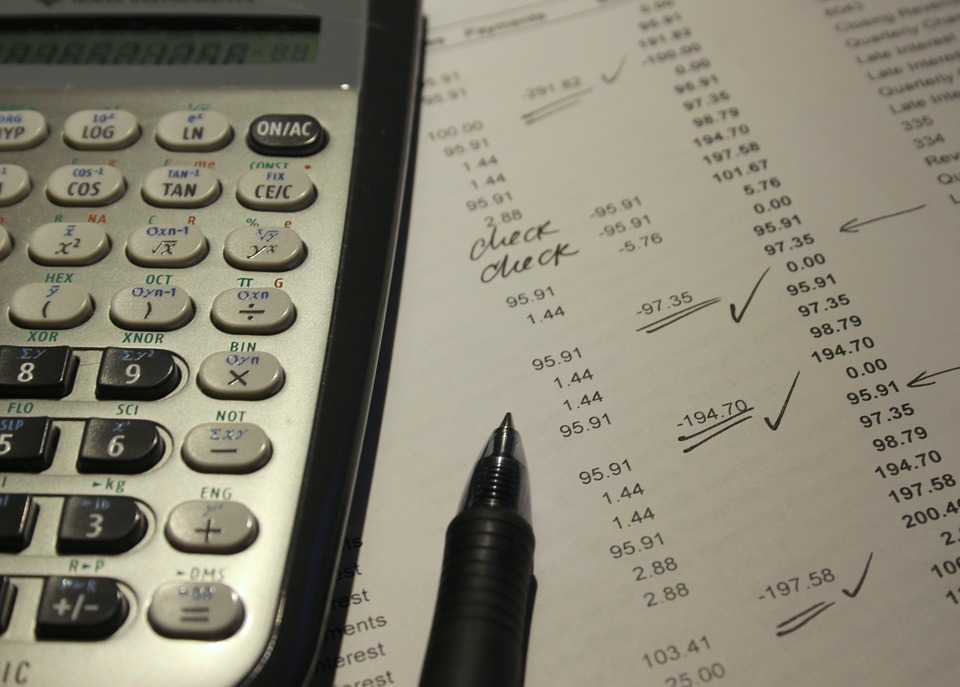
Budget successfully and taking the time to manage your money better can really pay off. It can help you stay on top of your bills and save £1,000s each year. You can use these extra savings to pay off any debts you might have, put them towards your pension, or spend them on your next car or holiday. Read on for money management tips, including how to set up a budget successfully, sticking to it and how to save.
How to set up a budget
The first step to taking control of your finances is producing a budget. Firstly, what is a budget? A budget is an estimate of income and expenditure over a fixed period of time.
Setting up a budget successfully will take a little effort, but it’s a great way to get a quick snapshot of the money you have coming in and going out. Over half of UK households keep a regular budget. Setting up a budget can give you peace of mind about how much you are spending, thus making you feel better about life in general.
Setting up a budget means you’re:
- less likely to end up in debt
- less likely to get caught out by unexpected costs
- more likely to have a good credit rating
- more likely to be accepted for a mortgage or loan
- able to spot areas where you can make savings
- in a great position to save up for a holiday, a new car, or another treat
You can set a budget up using a spreadsheet or just write it all down on a piece of paper. There are also some great free budgeting apps available. Your bank or building society may also have an online budgeting tool which takes information directly from your transactions.
Getting your budget successfully on track
If you’re spending more than you have coming in, you need to work out where you can cut back. This could be as easy as making your lunch at home, or cancelling a gym membership you don’t use. You could try some of our top tips for financial success.
You could also keep a spending diary and keep a note of everything you buy in a month. Or, if you do most of your spending with a bank card, have a look at last month’s bank statement and work out where your money is going. By taking time looking at your account, you may also find you are paying for goods or services that you do not use! Before you know it, by making a few tweaks you could be well on the way to a successful budget.
Set a savings goal
Some people find it hard to get motivated about saving, but it’s often much easier if you set a goal. Your first step is to have some emergency savings money to fall back on. Emergencies such as a boiler breakdown or if you can’t work for a while are good examples of when you may need emergency savings.
Try to save three months worth of expenses in an easy or instant access account. Don’t worry if you can’t save this straight away, but keep it as a target to aim for. The best way to save money is to pay some money into a savings account every month, usually at the same time you get paid.
Once you have set aside your emergency fund, possible savings goals to consider might include:
- taking a holiday without having to worry about the bills when you get back
- having some extra money to draw on while you’re on maternity or paternity leave
- buying a car without taking out a loan
Investing your savings
Once you know your budget and have saved up your emergency fund, if you have budgeted successfully you can start to think about saving and investing.
As your savings grow, you can start to:
- Put more money into your pension. It’s a great way to make sure you’ll be able to live more comfortably later in life.
- Make an investment plan based on your goals and time frames.
At Eastern Financial Consultants, our Independent Financial Advisers can help you achieve your savings goals. A Financial Review can help you realise your savings and investment goals, setting clear plans in place for the future. An hour initial consultation to discuss your requirements is free, do contact us via our online form to arrange an appointment with an Independent Financial Adviser.
Latest News

How to Protect Yourself from Investment Scams in the UK
28-08-2025

How Much Do You Need to Retire Comfortably in the UK?
25-07-2025

Should I Consolidate My Pensions?
14-05-2025

Investing in uncertain times
24-04-2025

Investing into an ISA
21-03-2025

Why Ongoing Financial Advice Matters: Keeping Your Investments on Track
12-02-2025

